
148 Results for "

Armeniaca vulgaris Lam.

" in MedChemExpress (MCE) Product Catalog:
Products (148)

148 Results for "Armeniaca vulgaris Lam." in MCE Product Catalog:

44
44 Publications Verification
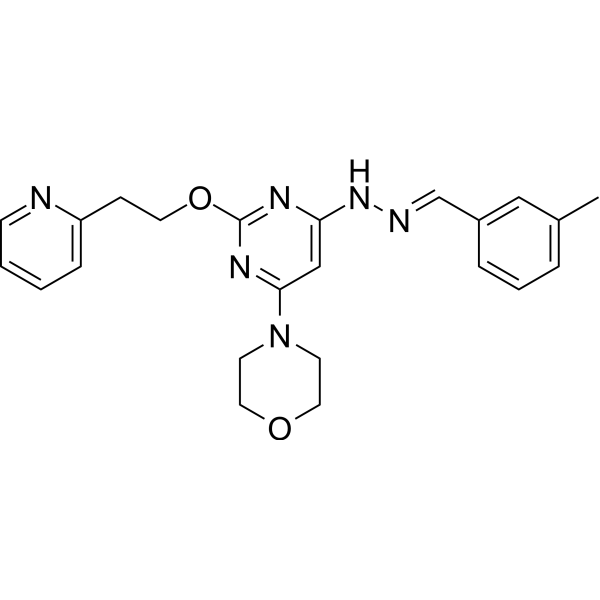
Cat. No.: HY-14644
CAS No.: 541550-19-0
Pureté:  99.80%
Synonyms: STA 5326; LAM-002A free base; AIT-101
Domaines de recherche:  

Inflammation/Immunology Cancer

Apilimod (STA 5326) is a potent IL-12/IL-23 inhibitor, and strongly inhibits IL-12 with IC50s of 1 nM and 2 nM, in IFN-γ/SAC-stimulated human PBMCs and SAC-treated monkey PBMCs, respectively . Apilimod is a potent and highly selective PIKfyve inhibitor.
44
44 Publications Verification
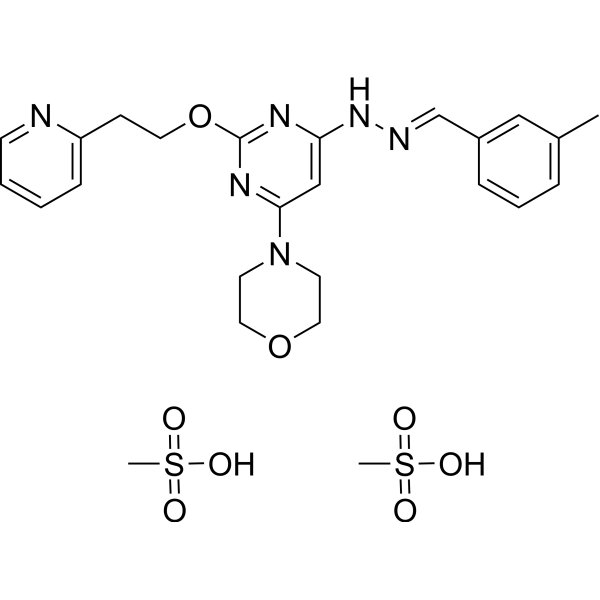
Cat. No.: HY-14644A
CAS No.: 870087-36-8
Pureté:  99.83%
Synonyms: STA 5326 mesylate; LAM-002A; AIT-101 mesylate
Domaines de recherche:  

Inflammation/Immunology Cancer

Apilimod (STA 5326) mesylate is a potent IL-12/IL-23 inhibitor, and strongly inhibits IL-12 with IC50s of 1 nM and 2 nM, in IFN-γ/SAC-stimulated human PBMCs and SAC-treated monkey PBMCs, respectively . Apilimod is a potent and highly selective PIKfyve inhibitor.
7
7 Cited Publications
Cat. No.: HY-N7038
CAS No.: 9008-97-3
Synonyms: PHA-M
Phytohemagglutinin (PHA-M), the major seed lectin of the common bean, Phaseolus vulgaris, is a T-cell activator. Phytohemagglutinin stimulates human mononuclear leukocytes, inducing the expression of ChAT mRNA and potentiating ACh synthesis. Phytohemagglutinin induces dose- and time-dependent toxicity in THP-1 monocytes/macrophages, alters cellular morphology, causes organelle dysfunction, and increases the expression of NF-κB, COX2, IL-1β .
4
4 Cited Publications
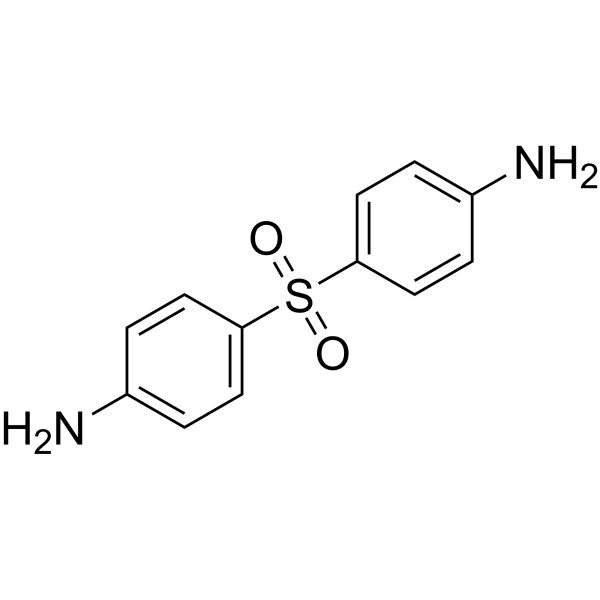
Cat. No.: HY-B0688
CAS No.: 80-08-0
Synonyms: 4,4′-Diaminodiphenyl sulfone; DDS
Dapsone (4,4′-Diaminodiphenyl sulfone) is an orally active and blood-brain penetrant sulfonamide antibiotic with bacteriostatic, antimycobacterial and antiprotozoal activities . Dapsone?exerts effective antileprosy activity?and inhibits folate synthesis in cell extracts of?M. leprae. Dapsone is used for dermatologic disorder research, including leprosy, dermatitis herpetiformis, acne vulgaris et al .
3
3 Cited Publications
Cat. No.: HY-120384
CAS No.: 2101291-07-8
Pureté:  99.90%
Target:  

ROR

Domaines de recherche:  

Inflammation/Immunology

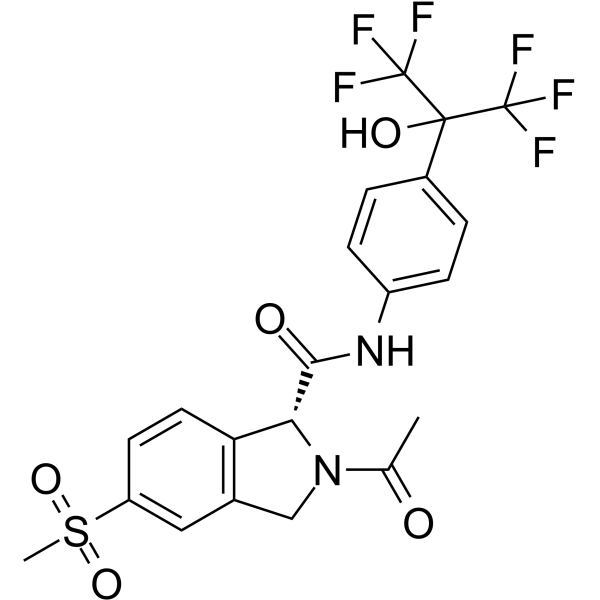
AZD-0284 is a selective inverse agonist of the nuclear receptor RORγ. AZD-0284 has the potential for plaque psoriasis vulgaris and respiratory tract disorders treatment .
2
2 Cited Publications
Cat. No.: HY-15388
CAS No.: 118292-40-3
Pureté:  99.39%
Synonyms: AGN 190168
Target:  

RAR/RXR Autophagy

Domaines de recherche:  

Inflammation/Immunology Cancer

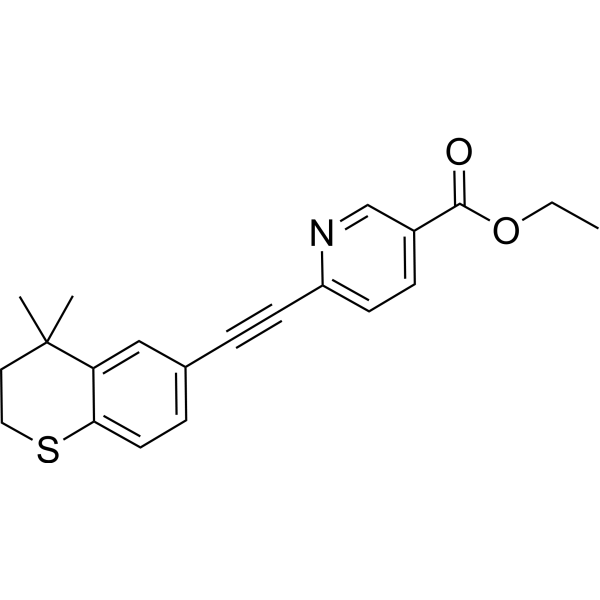
Tazarotene (AGN 190168) is a selective retinoic acid receptor (RAR) agonist for the treatment of plaque psoriasis and acne vulgaris. Tazarotene is a click chemistry reagent, it contains an Alkyne group and can undergo copper-catalyzed azide-alkyne cycloaddition (CuAAc) with molecules containing Azide groups.
1
1 Cited Publications
Cat. No.: HY-N7832
CAS No.: 6988-81-4
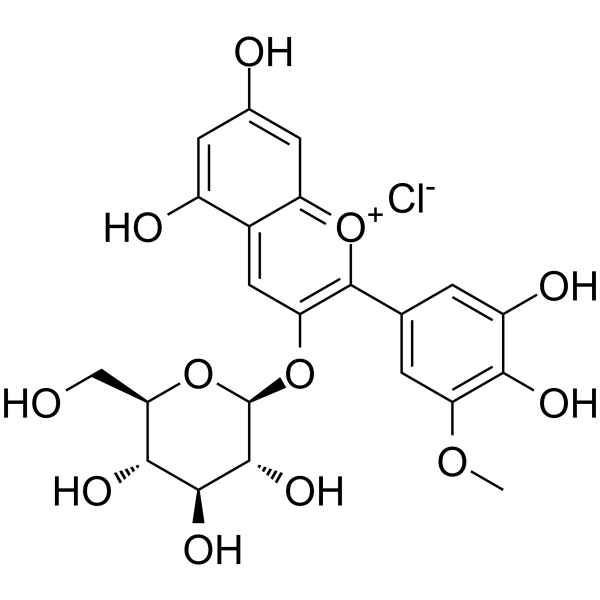
Petunidin-3-O-glucoside chloride is a flavonoid isolated from Phaseolus vulgaris L. seed, has antioxidant activity
1
1 Cited Publications
Cat. No.: HY-N3087
CAS No.: 13401-40-6
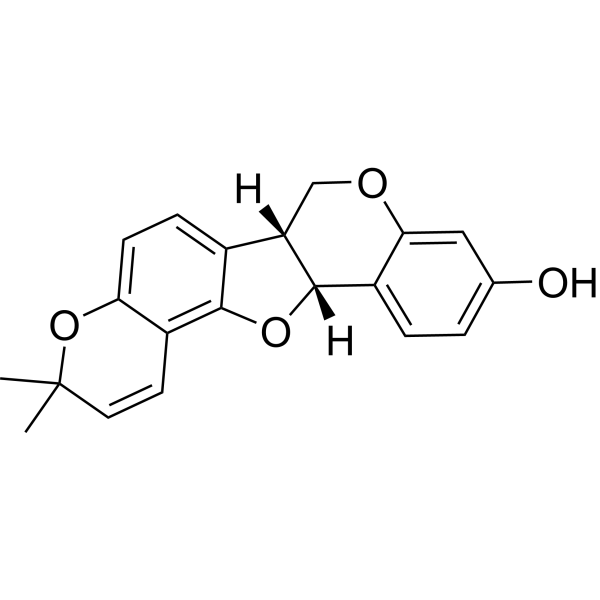
Phaseollin is an isoflavonoid phytoalexin that can be isolated from Phaseolus vulgaris . Phaseollin is toxic to bean hypocotyl and endocarp cells, and causes a complete lysis of sheep erythrocytes .
1
1 Cited Publications
Cat. No.: HY-N0309
CAS No.: 114590-20-4
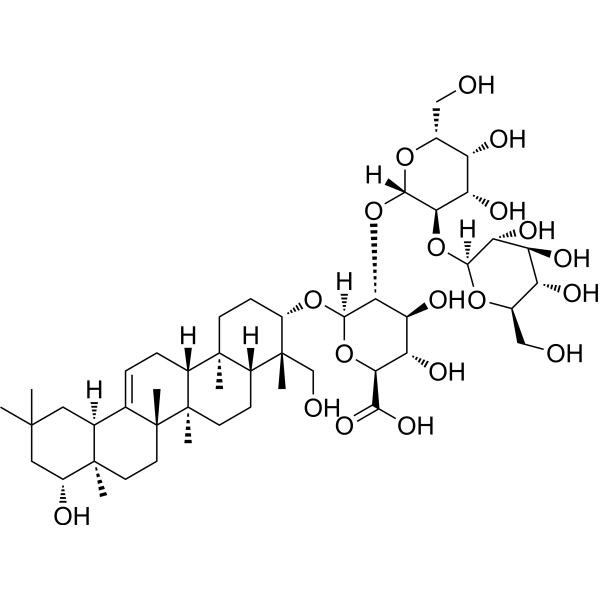
Soyasaponin Ba is a soyasaponin that can be isolated from Phaseolus vulgaris, acts as an aldose reductase inhibitor (ARI). Soyasaponin Ba activates Akt/GSK3β/β-catenin signaling pathway, reduces lipid accumulation, lowers ROS generation, improves mitochondrial membrane potential, ATP levels, and morphology, and inhibits apoptosis. Soyasaponin Ba can be used for the research of lipid accumulation and secondary diabetic complications .
1
1 Cited Publications
Cat. No.: HY-B0506
CAS No.: 124858-35-1
Synonyms: OPC7251
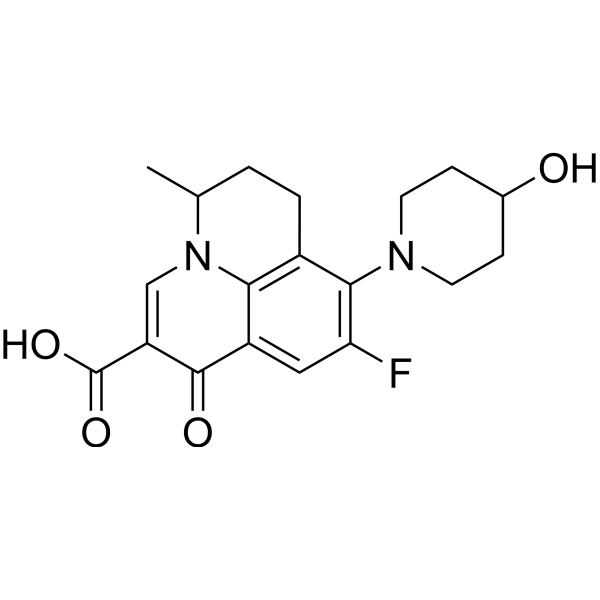
Nadifloxacin (OPC7251) is a broad-spectrum quinolone antibiotic. Nadifloxacin inhibits bacterial DNA gyrase and topoisomerase IV, interfering with DNA replication. It also suppresses the production of proinflammatory cytokines (such as IL-1α, IL-6, and IL-8). Nadifloxacin exhibits antibacterial activity against various pathogens, including Propionibacterium acnes and Staphylococcus aureus. Nadifloxacin also exhibits anti-inflammatory activity. Nadifloxacin can be used in the research of skin infections such as acne vulgaris, folliculitis, and impetigo .
1
1 Cited Publications
Cat. No.: HY-119976
CAS No.: 188425-85-6
Pureté:  99.29%
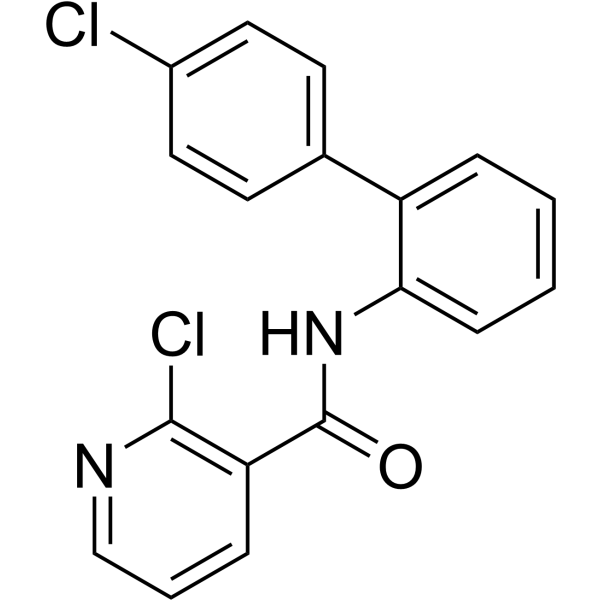
Boscalid is a succinate dehydrogenase (SDHI) inhibitor with antifungal activity. Boscalid binds to the ubiquinone-binding site of fungal mitochondrial complex II, blocks ATP production and aerobic respiration, exhibits good control efficacy against a variety of plant fungal diseases including gray mold, sclerotinia rot and powdery mildew, and is widely used for disease control in agriculture. Boscalid induces apoptosis, altered lipid metabolism, mitochondrial dysfunction, respiratory impairment, oxidative stress, ROS accumulation and neurodevelopmental disorders in zebrafish. Boscalid reduces foraging ability, shortens median death time and causes chronic toxicity in exposed honeybees. Boscalid also possesses genotoxicity, cytotoxicity, elevated mitochondrial superoxide levels and early-stage apoptosis .
Cat. No.: HY-P9931
CAS No.: 1350289-85-8
Synonyms: CNTO 1959

Target:  

Interleukin Related

Domaines de recherche:  

Inflammation/Immunology

Guselkumab is a recombinant human IgG1 monoclonal antibody against the IL-23p19 subunit. Guselkumab binds to human and cynomolgus monkey IL-23 with Kd values of 3.3 and 1.9 pmol/L, respectively. Guselkumab inhibits production of cytokines lying downstream of the IL-23 signaling pathway and can be used for psoriatic arthritis research .
Cat. No.: HY-B1366
CAS No.: 73816-42-9
Target:  

Antibiotic Bacterial

Domaines de recherche:  

Infection

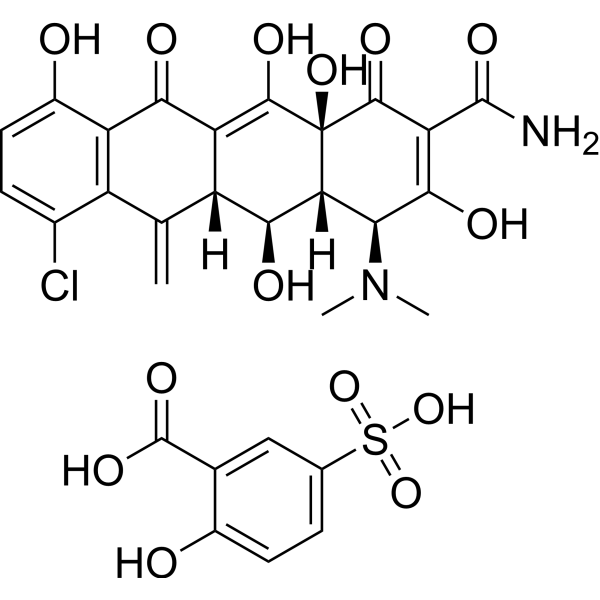
Meclocycline Sulfosalicylate Salt is a tetracycline antibiotic with broad-spectrum antibacterial activities, preventing skin bacterial infections such as acne vulgaris .
Cat. No.: HY-NP077
Synonyms: PHA-L
Phaseolus vulgaris leucoagglutinin (PHA-L) is a lectin, that can be extracted from red kidney beans (Phaseolus vulgaris). Phaseolus vulgaris leucoagglutinin can be used as an anterograde axonal tracer in neuroanatomical research to study the morphology of neurons, axons, and terminal structures in the nervous system .
Cat. No.: HY-NP0184
Synonyms: PHA-L (Biotinylated)
Phaseolus Vulgaris Leucoagglutinin (PHA-L) Biotinylated is a plant lectin that can be used as a probe to specifically bind biomolecules (such as polysaccharides, peptides, etc.).Phaseolus Vulgaris Leucoagglutinin (PHA-L) Biotinylated is a biological material or organic compound that can be used in life science research .
Cat. No.: HY-129467
CAS No.: 56472-29-8
Pureté:  ≥98.0%
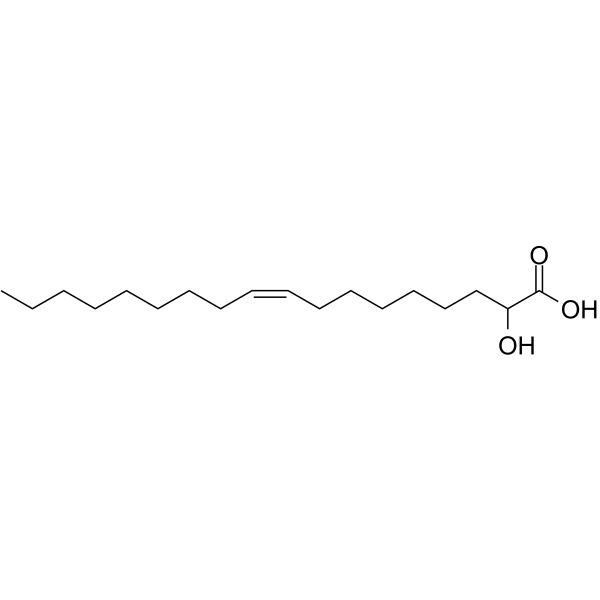
Synonyms: 2-Hydroxyoleic acid; 2-OHOA; LAM561
Target:  

Apoptosis

Domaines de recherche:  

Cancer

(Rac)-Idroxioleic acid (2-Hydroxyoleic acid) is a synthetic oleic acid (OA) derivative that binds to the plasma membrane and alters lipid organization. (Rac)-Idroxioleic acid has anti-tumor effect .
Cat. No.: HY-P11017
CAS No.: 1152066-26-6
Target:  

p38 MAPK Cadherin

Domaines de recherche:  

Inflammation/Immunology

LNSMGQD is a cyclic peptide fragment derived from desmoglein 1 (amino acids 81-86), which mimics trans-interactions and acts as part of the tandem peptide binding interface of desmoglein 2. LNSMGQD not only binds to desmoglein 1 and 3, but also effectively inhibits their homophilic trans-interactions, while reducing the probability of homophilic or heterophilic binding between desmoglein 2 and Dsc2, N-cadherin and E-cadherin. LNSMGQD is applicable to the research on disease mechanisms such as Crohn's disease and pemphigus vulgaris .
Cat. No.: HY-P5255
CAS No.: 466691-40-7
Target:  

Bacterial

Domaines de recherche:  

Infection Inflammation/Immunology

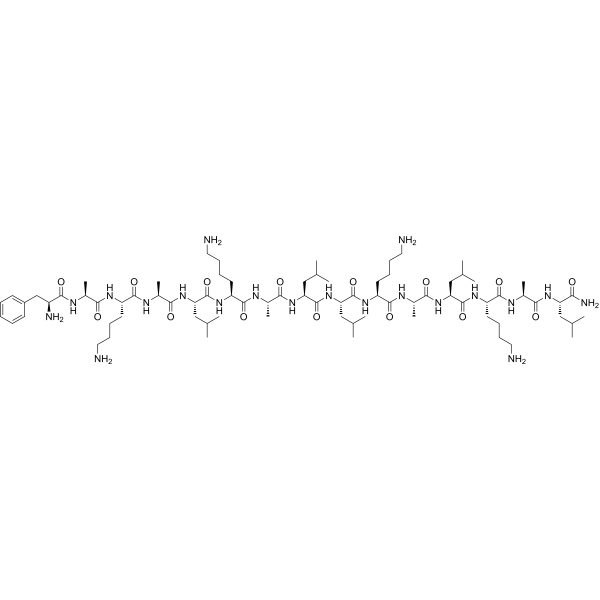
Oligopeptide-10 is a bioactive peptide with antimicrobial activity. Oligopeptide-10 exhibits broad-spectrum bactericidal effects against Gram-positive bacteria including Propionibacterium acnes and Staphylococcus aureus. Oligopeptide-10 targets lipoteichoic acid (LTA) on the surface of bacterial cell membranes, induces bacterial osmotic imbalance by disrupting the integrity of bacterial membranes, and reduces the release of pro-inflammatory cytokines induced by bacteria. Oligopeptide-10 possesses skin-protective activity. Oligopeptide-10 can be applied in research related to acne vulgaris, dandruff, seborrheic dermatitis, and tinea pedis .
Cat. No.: HY-B1128A
CAS No.: 30034-03-8
Synonyms: Cephamandole sodium
Target:  

Antibiotic Bacterial

Domaines de recherche:  

Infection

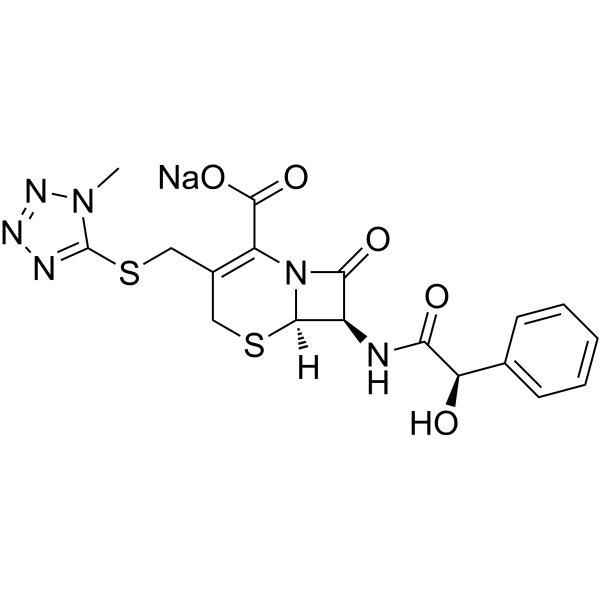
Cefamandole (Cephamandole) sodium is a semi-synthetic second-generation cephalosporin antibiotic with broad-spectrum antimicrobial activity. Cefamandole sodium is resistant to hydrolysis by β-lactamases produced by some Gram-negative bacteria. Cefamandole sodium kills Gram-positive cocci and various Gram-negative bacilli mainly by inhibiting cell wall synthesis, but it is inactive against Pseudomonas, Proteus vulgaris and Providencia stuartii, and its efficacy is affected by inoculum size. The plasma elimination half-life of Cefamandole sodium in rats is only 0.4 h, it is mainly excreted in urine in biologically active form, and it hardly penetrates the non-inflamed blood-brain barrier. Cefamandole sodium is widely used in studies related to bacterial infections .
Cat. No.: HY-N2560
CAS No.: 130-01-8
Synonyms: Senecionan-11,16-dione, 12-hydroxy-; Aureine; Senecionin
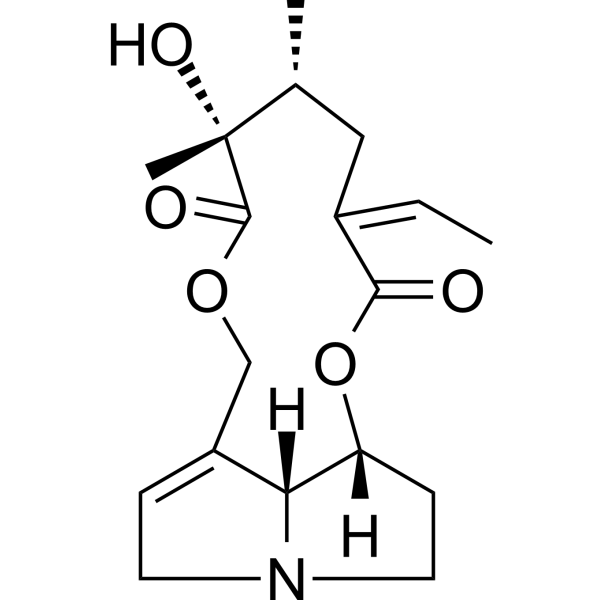
Senecionine (Senecionan-11,16-dione, 12-hydroxy-) is a pyrrolizidine alkaloid could be isolated from Senecio vulgaris. Senecionine decreases the activities of glutathione S-transferase, aminopyrine demethylase and arylhydrocarbon hydroxylase (AHH) .

